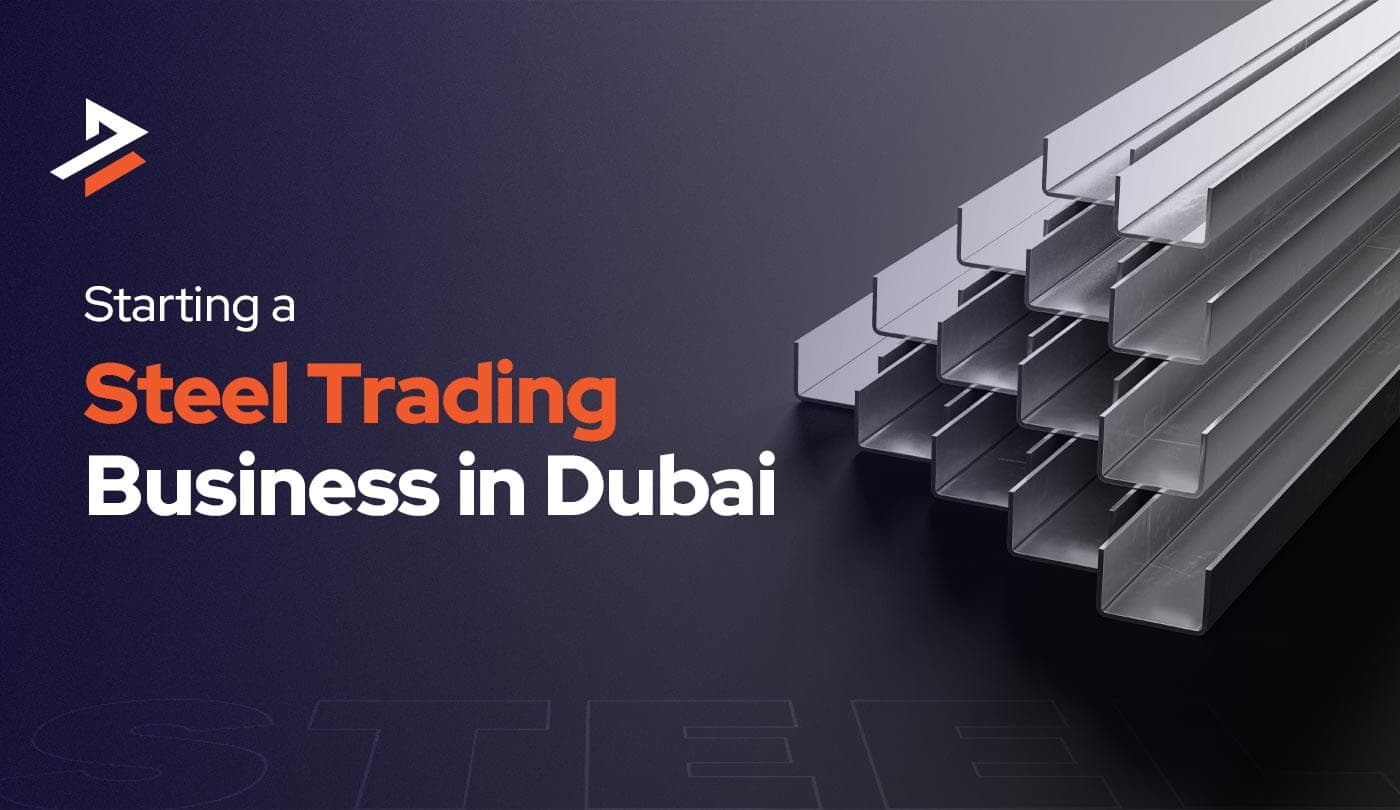
2026 is a great year to start a steel trading business in Dubai. The city is evolving as one of the leading steel trading hubs, thanks to its thriving construction industry, world-class infrastructure, and business-friendly policies. Steel trading companies in Dubai can import, export, or distribute metal products while benefiting from:
- 100% ownership rights
- 0% corporate tax opportunities
- Market access across MENA region
- Strong private and government demand
- Low-cost license options starting at AED 5,000*
To get licensed, investors must research the market, choose a business structure, register with the authorities, secure customs clearance, and set up logistics. Whether you are launching a new venture or expanding an existing operation, this guide explains the licensing and regulatory requirements crucial for a smooth steel trading business setup in Dubai.
Benefits of Steel Trading Business in Dubai
Investors with the right technical knowledge, skills, and expertise can make their steel trading business a highly profitable one. Here are a few benefits of starting a Steel Trading Business in Dubai:-
- High and Consistent Market Demand – Unceasing investments in mega construction, real estate, infrastructure, and industrial projects that ensure non-stop demand for steel and metal products.
- Strategic Global Trade Hub – World-class ports and international airports that give steel/metal traders direct access to GCC, African, European, and Asian markets.
- 100% Foreign Ownership Allowed – Ability to fully own the company in both mainland and free zones, offering complete operational control and profit retention.
- Easy Licensing & Quick Setup Process – Straightforward process, allowing business owners to start operations faster.
- Tax-Free Advantages – 0% personal income tax and 0% corporate tax in many free zones, along with duty exemptions in certain free zones, which significantly reduce the setup costs and boost profitability.
- Access to Top-Quality Infrastructure – Modern warehousing, logistics facilities, highways, and advanced supply chain networks for handling large-volume shipments safely and efficiently.
- Flexible Business Expansion Opportunities – Freedom to expand a steel trading company into steel fabrication, general trading, construction material supply, and export and re-export, enabling easier setup with multiple revenue streams.
- Strong Business Regulations and Reputation – Enhances international trust and credibility, which helps in building partnerships with global suppliers and buyers.
- Strong demand across sectors – Expanded across real estate, energy and transport, which keeps steel demand steady and offers traders a wide base of regular buyers across multiple industries.
- Business-friendly trading environment – Extensive support for trade through low import duties and clear licensing rules that help business owners manage costs effectively and scale with fewer regulatory hurdles.
- Opportunities in specialist steel products – Growing market for stainless steel, rebar, and structural components in sectors like renewable energy and industrial infrastructure, which provide traders opportunities to tap into higher-margin opportunities.
- Advantages of free zone setups – Full foreign ownership, fast-track company formation, and warehousing solutions in free zones like Jebel Ali and DMCC that provide a clear logistical and operational advantage.
- Access to Financial Services – A well-developed financial sector that offers access to trade financing, letters of credit, and a wide range of banking and financial services tailored to the needs of steel traders, facilitating smooth operations and mitigating financial risks.
Requirements and Regulations of Steel Trading Companies in Dubai
Requirements and regulations of steel trading companies in Dubai
- Licensing: Obtain the necessary licenses from the relevant authorities, including a trade license, import/export license, and other necessary permits, based on the selected business activity.
- Compliance: Compliance with all legal and regulatory requirements, including anti-money laundering (AML) and know-your-customer (KYC) regulations and maintenance of accurate records.
- Local Partner: A local partner, depending on the chosen business structure.
- Insurance: Obtain comprehensive insurance coverage, including coverage for inventory, transportation, and liability, to stay protected against unforeseen events and minimise financial risks.
- Intellectual Property Protection: Secure intellectual property rights to safeguard intellectual assets.
Activities Allowed Under a Steel/Metal Trading License
You can conduct the following activities in a steel trading business in Dubai:-
- Import & Export – Bringing steel products into the UAE or distributing them to global markets.
- Wholesale & Retail Trading – Selling steel products to contractors, construction companies, fabricators, factories, and traders.
- Local Distribution – Supplying materials to local buyers through warehouses, retail outlets, or distribution networks.
- Storage & Warehousing of Metal Products – Storing steel products in the company warehouse or in third-party logistics facilities.
- Re-exporting – Buying materials in bulk, storing them in a free zone, and re-exporting them without paying duty.
- Trading In Different Metal Categories – Dealing in a range of other products, including steel bars & rebar, steel sheets, coils & plates, structural steel, such as beams, channels, angles, etc., iron & mild steel products, stainless steel materials, and aluminium, copper & other metals.
- Online Steel/Metal Trading – Operating a B2B trading platform or online store.
- Contract Supply & Bulk Trading – Bidding for bulk supply contracts for government, private, and industrial projects.
Costs Involved in Setting Up a Steel Trading Company in Dubai
While starting a steel trading company, investors need to assess the approximate total business setup cost.
| Jurisdiction | Starting price |
|---|---|
| Dubai Free Zone | AED 11,000 |
| Mainland | AED 18,000 (with virtual Ejari) |
For a complimentary consultation, reach out to our business advisors at Dubiz, who will guide you through the different types of steel trading licenses available in Dubai, UAE and associated costs and help you obtain the right license for your company.
Documents Required to Start a Steel Trading Business in Dubai
The documentation requirements for this process include:-
- Passport copies of all shareholders and managers
- Tenancy contract as proof of office space within Dubai
- Government forms for relevant licenses
- Attested LLC agreement outlining the company structure
- Initial approval certificate obtained from the Department of Economy and Tourism (DET)
- Proof of rental agreement registration
- Name reservation certificate confirming the chosen company name
Procedure to Start a Steel Trading Business in Dubai
The key steps to starting a steel trading company in Dubai are as follows:-
Step 1: Define the Steel Trading Model and Target Market
Determine the scope of your steel trading business, whether you want to deal in raw steel, finished products, alloys, or other specialised items. Identify your target markets and decide whether you want to operate as an importer, exporter, distributor, or a combination of these. A clear business model will guide you through your licensing, logistics, and operational decisions.
Step 2: Choose Between Mainland and Free Zone Jurisdictions
There are two primary jurisdictions for starting a business in Dubai – the Mainland and Free Zones. While the Mainland allows companies to trade directly within the UAE market, Free zones offer benefits such as 100% foreign ownership and tax exemptions.
Nevertheless, it is to be noted that certain activities may require local sponsorship in the Mainland. Therefore, it is critical to select the right jurisdiction that aligns with your business objectives and operational needs.
Step 3: Obtain the Necessary License
Depending on your business activities, secure a suitable license from the Department of Economy and Tourism (DET) or the Free Zone authority:
- General Trading License: To import, export, and distribute a wide range of goods, including steel.
- Specialised Metal Trading License: For businesses focusing exclusively on metal products.
Step 4: Secure Customs Registration
Obtain the necessary customs codes from the UAE Federal Customs Authority for importing and exporting steel products. Customs Registration helps clear goods through UAE ports, and compliance checks ensure adherence to safety and quality standards for steel products.
Step 5: Set Up Logistics and Storage
Logistics is paramount in the steel industry. To run a steel trading business, you need to find a warehouse that meets your storage requirements, partner with reliable logistics providers for timely delivery and distribution, and implement systems to track and manage stock effectively.
Step 6: Build Strong Supplier and Client Relationships
Find reputable steel manufacturers and suppliers and establish strong and healthy connections to ensure a consistent supply. Identify potential clients who need steel products. Effective networking and a robust relationship can help grow your business and accelerate brand visibility.
Step 7: Open a Corporate Bank Account
Choose an experienced bank that can efficiently handle your payments and receipts, offer letters of credit, bank guarantees, and working capital loans, and manage transactions in multiple currencies.
Step 8: Stay Compliant with Tax and Safety Regulations
Stay informed and compliant with VAT and corporate tax regulations. Obtain necessary insurance coverage to mitigate risks and ensure adherence to regulations.
Step 9: Plan Growth and Expansion
As your business grows, expand your product range, explore new markets within the GCC region or internationally, and invest in e-commerce platforms to reach a broader customer base and propel your business to new heights.
Tips To Run A Successful Steel Trading Business In Dubai
To operate your steel trading business successfully, you need to adopt these practices:-
- Build strong supplier relationships: Work with reliable suppliers who can guarantee consistent quality at good rates. Sourcing products from different suppliers can help protect against price shifts and shipping delays.
- Stay close to the market: Understand the market demand, and track major construction projects, public tenders and shifts in material preferences to adjust the stock and pricing before the competition.
- Invest in logistics and warehousing: Secure warehouses near ports and industrial areas to reduce transport time and costs. To ensure the quick clearance of shipments and scheduled deliveries, make good agreements with freight forwarders and customs brokers.
Conclusion
The steel market in Dubai has vast potential, but it also comes with its own set of challenges. By being well prepared and equipped with technical know-how, you can clear these barriers and make the most of the market opportunities.
Besides, with the increasing demand, operational flexibility, and significant long-term growth potential, you can build a strong foundation in this stable industry and run a profitable company without complications.
How Dubiz Can Help
Dubiz will make the entire setup process simple, fast, and hassle-free. We strive to provide unwavering support and comprehensive services to entrepreneurs and investors in launching their business projects in the UAE. From registering the business and obtaining licenses to assistance with customs clearance and tax registration, our team will guide you throughout your business journey.
Our experts are familiar with the specific needs of the steel industry, and hence can recommend the best jurisdiction and license for your business idea that aligns with your objectives and ensures perpetual growth.
Launch your future in Dubai with Dubiz Consultancy!
📞 Call: +971 56 369 5485
💬 WhatsApp: +971563695485
📧 Email: info@dubiz.co
Frequently Asked Questions (FAQs)
1. Do you need a license to operate steel trading companies in Dubai?
Yes, a trade license is necessary to legally handle the import and export of steel products in Dubai.
2. How can I start a Steel Trading Business in Dubai?
There are a few crucial steps to set up a steel trading business in Dubai –
1. Describe your business activity
2. Select a jurisdiction and legal structure
3. Reserve a trade name
4. Secure first approval
5. Find appropriate premises
6. Submit the final license application
3. What are the key documents required for a steel trading business setup in Dubai?
The key documents required for this process may include a No-objection Certificate (NOC), copies of the manager’s and shareholder’s passports, a copy of UAE residence visa and Emirates ID, completed application forms for initial approval and trade name reservation, constitutional documents such as the Memorandum of Association (MOA), and a tenancy agreement for the office/warehouse space.
4. Can a foreigner own a steel trading business in Dubai?
Yes, foreigners can own their steel trading company in both the Mainland and the Free Zone, without the need for a UAE national sponsor.
5. What are the best locations for steel trading companies in Dubai?
You can choose from Jebel Ali Free Zone (JAFZA), Dubai Multi Commodities Centre (DMCC), Dubai Mainland (DET), and Dubai Industrial City for your steel trading business, based on your operational focus.